Adelaide Roofers
Materials

Roof Ventilation & Whirlybirds: Do You Actually Need Them?

For a lot of Adelaide homes, yes — an unventilated roof space in a hot, dry climate does real, measurable work against you. Here's what whirlybirds and roof vents actually change.

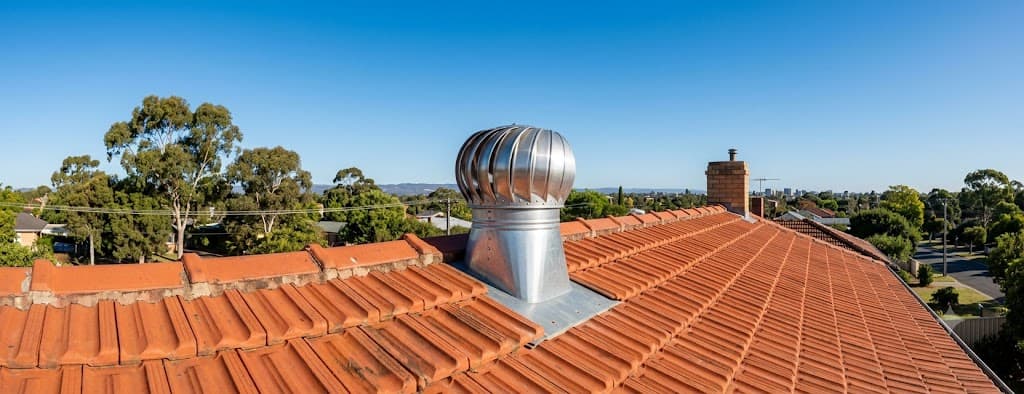
Whirlybird roof ventilator installed on an Adelaide roof

What actually happens in an unventilated roof space

In summer, a closed-up roof space traps hot air, which then radiates down into the ceiling below — directly working against whatever your air conditioning is trying to do. In winter, trapped moisture can lead to condensation build-up in the roof cavity, a different but equally real problem.

What whirlybirds and vents actually do

Whirlybirds are wind-driven turbine vents that pull hot, moist air out of the roof space as they spin. Static roof vents work more passively, giving that air somewhere to escape rather than sitting trapped. Both address the same underlying problem from slightly different angles.

Signs your home would benefit

Top-floor or upstairs rooms noticeably hotter than the rest of the house, a roof space that feels stifling when you go up there in summer, or a musty smell or visible condensation in the roof cavity over winter are all practical signals worth acting on.

How many do you actually need?

It depends on your roof space's size and existing ventilation, if any. A single token whirlybird on a large roof space often doesn't move enough air to make a real difference — a roofer can properly size the number needed for your specific roof.

Tell us your suburb and what's going on with your roof

We'll match you with a vetted local roofer for an obligation-free quote.

Free, no-obligation, and no call centre — a real local roofer will reach out directly.

Prefer to talk it through first? Call 0433 915 802