The baseline schedule
For a roof with no known problems, every two to three years is a sensible default — frequent enough to catch small issues before they turn into leaks, without paying for inspections a healthy roof doesn't really need.
Roughly every two to three years for a roof with no known issues — plus a handful of specific moments where it's worth doing one sooner, regardless of schedule.
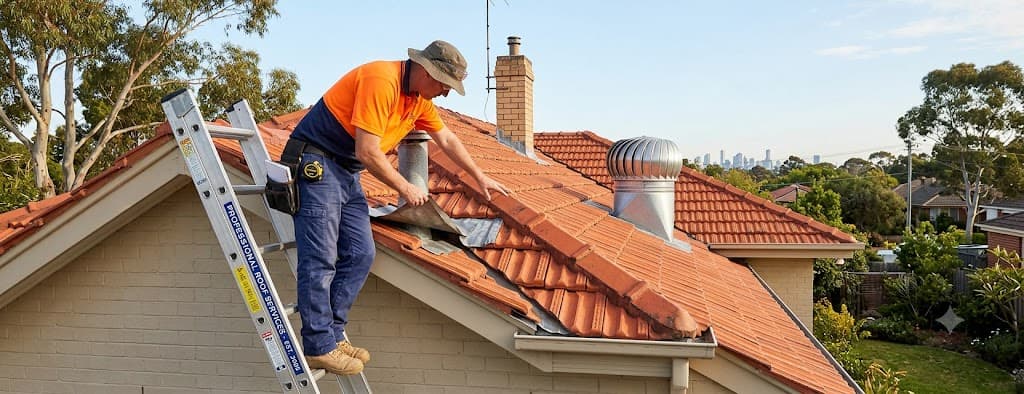
For a roof with no known problems, every two to three years is a sensible default — frequent enough to catch small issues before they turn into leaks, without paying for inspections a healthy roof doesn't really need.
Hail, high winds, or fallen branches can damage a roof in ways that aren't obvious from the ground. Getting it checked after a significant storm — even without an obvious leak — catches damage before it worsens with the next rain.
A roof inspection ahead of buying a home can reveal costs that aren't obvious in a standard building report. Ahead of selling, it lets you address anything significant before it becomes a negotiating point during the sale.
If you genuinely can't remember the last time anyone checked your roof, that's reason enough on its own — a first inspection often surfaces small, cheap fixes that would have become expensive if left another few years.
We connect you with roofers who give a straight assessment — what's urgent, what can wait, and what's simply fine.
We'll match you with a vetted local roofer for an honest inspection.
Prefer to talk it through first? Call 0433 915 802